


 Contact Us
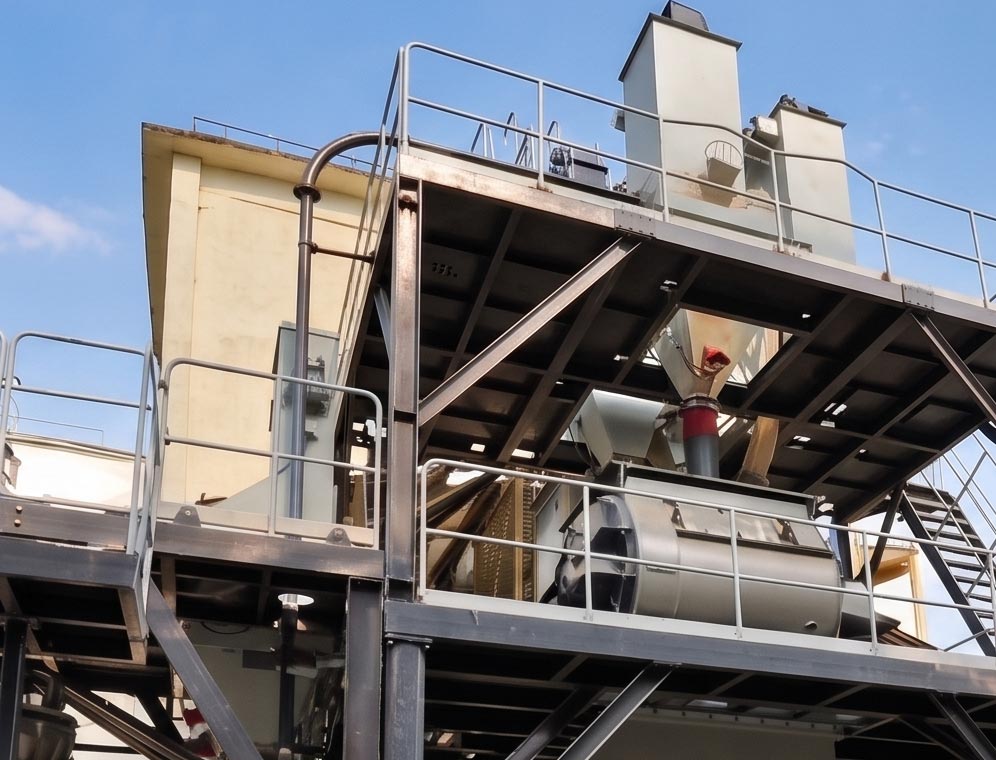
In the rapidly evolving global landscape of the 21st century, building modern infrastructure has become an essential requirement for a nation’s economic development and social security. Implementing such complex and massive projects successfully relies heavily on Precision Engineering.
The Importance of Precision Engineering
Uncompromised Safety: Infrastructure such as skyscrapers, mega bridges, high-speed railways, and power plants require millimeter-level precision in calculations and construction to withstand natural disasters and climate impacts.
Resource Efficiency: Precise engineering design and management ensure that raw materials, time, and budgetary funds are utilized optimally without waste or loss.
Sustainability: Modern infrastructure requires energy-efficient technologies and meticulous engineering craftsmanship to ensure long-term viability and minimal environmental impact.
Modern Technologies and Applications
In today’s engineering world, advanced technologies are integrated to enhance precision:
Building Information Modeling (BIM): Represents the entire construction project in a 3D digital format, allowing potential errors and difficulties to be identified and corrected even before construction begins.
Advanced Surveying & GIS: Utilizes GPS, Laser Scanning, and Drone technologies to measure topography and map out land with high accuracy.
AI and Automation: Lowers human error to a minimum by supporting data-driven decision-making and automating machinery control.
Conclusion
When constructing modern infrastructure, “precision” is not merely an option—it is an absolute necessity. Only by creating high-quality, long-lasting structures can we build a safe, secure, and prosperous future for generations to come.